
Hazardous and Medical Waste Incinerators
Medical & hazardous waste incinerators are devices that use high temperatures and oxygen to destroy various types of waste that pose a risk to human health or the environment, such as infectious, pathological, chemical or radioactive waste. They are often used as the final treatment option for waste that cannot be recycled, reused or disposed of safely in landfills or other methods. Medical & hazardous waste incinerators can reduce the volume and weight of the waste by up to 90%, and render it harmless and inert.
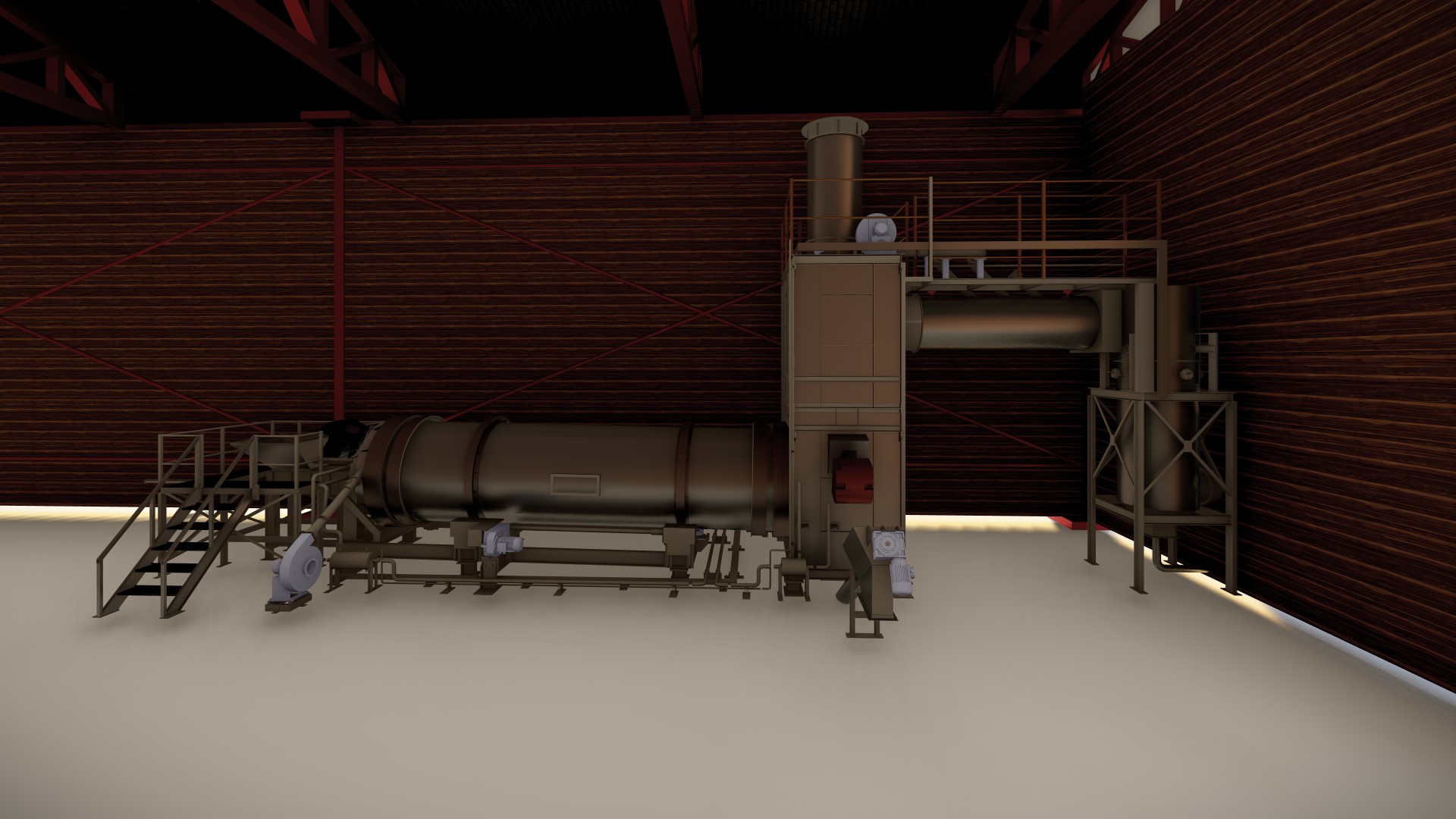
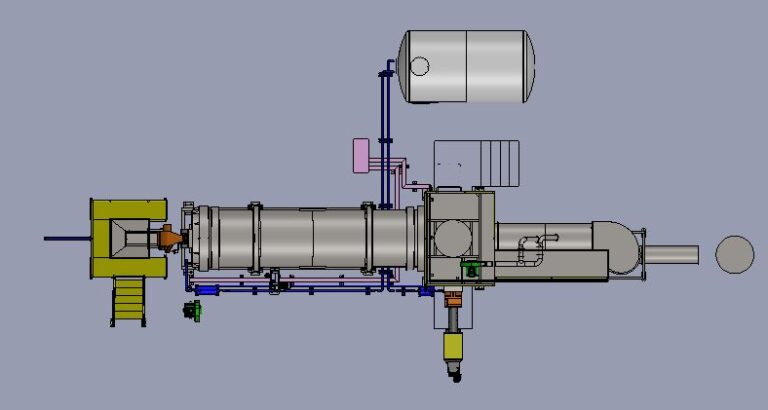
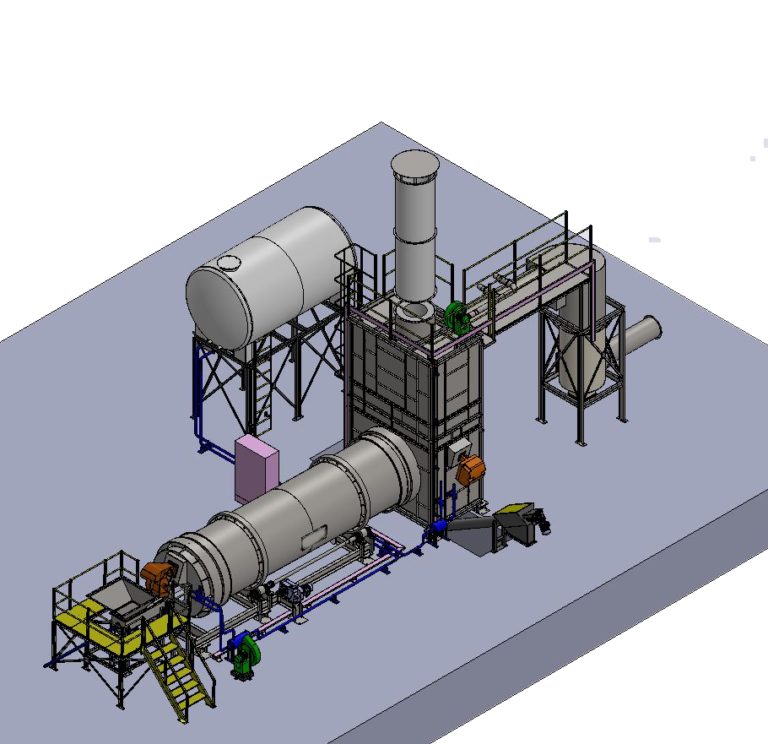
Medical & hazardous waste incinerators consist of two main components: the combustion chamber and the emission control system. The combustion chamber is where the waste is fed, either manually or automatically, and burned at temperatures ranging from 800°C to 1200°C. The combustion chamber can be designed as a fixed grate, a moving grate, a rotary kiln or a fluidized bed, depending on the type and quantity of the waste. The emission control system is where the flue gas is treated to remove pollutants such as particulate matter, acid gases, heavy metals, dioxins and furans. The emission control system can include devices such as cyclones, scrubbers, bag filters, activated carbon filters and continuous emission monitoring systems.

Specifications
- Incineration Capacity 50-350 kg/hr
- Waste feeding Manual or automatic loading system, with hopper and ram feeder
- Temperature control Thermocouples, PLC, and air/fuel ratio controller
- Emission control Dry or wet scrubber, bag filter, activated carbon filter, and continuous emission monitoring system
- Energy recovery Heat exchanger, steam generator, or electricity generator (optional)
- Safety features Emergency stop button, flame arrestor, pressure relief valve, and interlock system
Start your free consultation
Let’s assess your needs, analyse your current proccesses and see how Cybertig can implement the change that your organisation requires. We’re here to help.
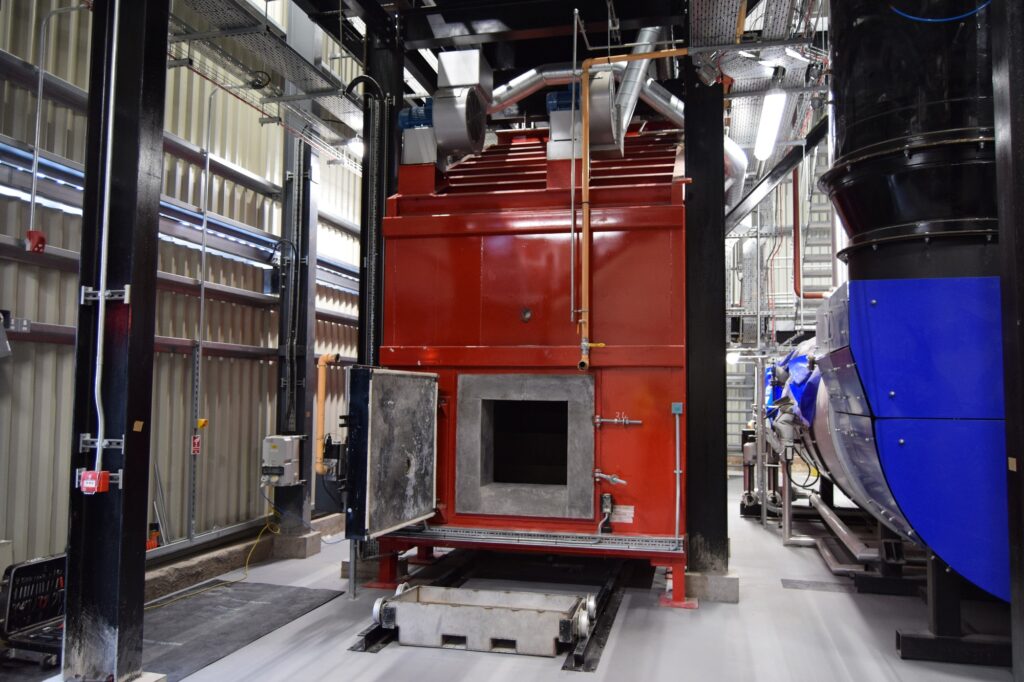
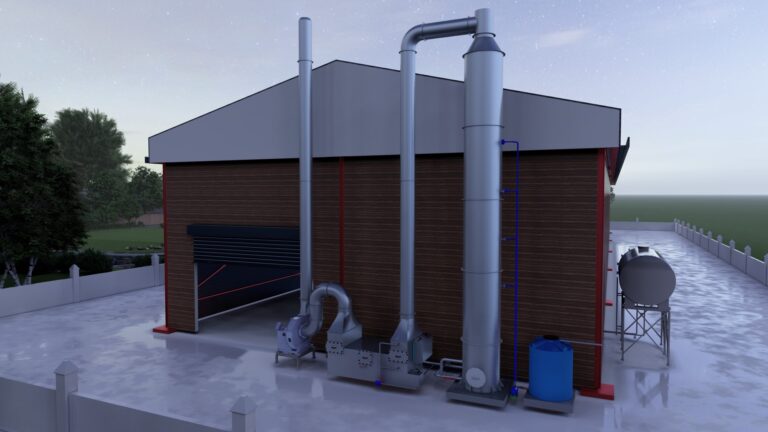
Example Medical Waste Incinerator

Hazardous waste incinerator in Africa
This facility has a capacity of 350Kg/hour without electricity production.
Future-Proofing A Better World with An Advanced Flue Gas Cleaning System
Every day, thousands of industries produce energy, materials, and essential products. Behind this progress, however, lies a growing concern: industrial...
SNCR vs SCR: A Step-by-Step Guide to NOx Reduction for Engineers and Operators
SNCR vs SCR: A Step-by-Step Guide to NOx Reduction for Engineers and Operators Cutting down on nitrogen oxides (NOx) is...
Step by Step Guide to Cooling Tower Working Process in Flue Gas Cleaning Systems
Step by Step Guide to Cooling Tower Working Process in Flue Gas Cleaning Systems Cooling towers are very important for...


